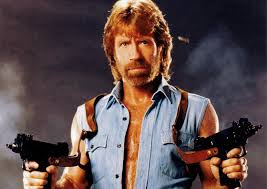
Masculinity is a fluid and not a fixed entity embedded in the body or personality trait of an individual. Masculinities are configurations of practice that are accomplished in social action and, therefore, can differ according to the gender relations in a particular social setting. Thus there are different constructions of masculinity which are informed by one ideal masculinity that has been termed by many scholars as hegemonic masculinity.
Hegemonic masculinity which has been the focus of masculine studies refers to one form of masculinity that is culturally exalted over all others at a particular place and point in time. It is derived from cultural hegemony which is the analyses of power relations in society. Hegemonic masculinity embodies the most dominant traits of men in any situation.Masculinity can be defined with socially constructed characteristics. These characteristics are the PPPs which stands for Provider, Protector and Procreator.

To learn more about the PPPs, http://www.artofmanliness.com/2014/04/07/what-is-the-core-of-masculinity/

Above is a word cloud for what it means to be masculine.
The bigger the words, the more common they are in describing a masculine person.
Different Types of Masculinity
Hegemonic Masculinities- Ideal masculinity and provides a framework for all other masculinities (pace setter)
Dependent Masculinities- Helpless and act like real babies; When in marriage wives are providers but the men still act and have to be given “masculinity” by the wives; Need all the support from wives to stand as masculine
Ambivalent masculinities- In a male harness. Trying to cling onto some invisible power. After failing to fit into the hegemonic masculinity tries to reformulate a new field of masculinity that will fit. In a marriage they keep reminding the wives how they are the men, how they are supposed to be respected and give strong orders. They threaten violence as a tool to exert pressure and instill fear in search of masculine privilege. Arrogant and wants to hide their aggressiveness into being loners.
Collapsed Masculinities- This is a man whose ego has “gone to sleep”. The man is like a deflated tire, resigned, out of male shell, does not care whether they laugh at him or not. This can lead to self-destruction or violence against others in his surroundings. At times they are like moving shadows
Liberated Masculinities- This man rejects externally imposed predefined masculine roles and responsibilities. This is a free man. He expresses grief, pain even if it requires crying. This is a man who appreciates all dimensions of his life be it strengths, weaknesses, pleasure or love.
Hegemonic Masculinities can be analyzed at three levels.
1. Local: constructed in the arenas of face-to-face interaction of families, organizations,
and immediate communities, as typically found in ethnographic and life-history
research;
2. Regional: constructed at the level of the culture or the nation-state, as typically found
in discursive, political, and demographic research; and
3. Global: constructed in transnational arenas such as world politics and transnational
business and media, as studied in the emerging research on masculinities and
globalization.
